Broad
automation parts sourcing coverage
Browse VCOCNC product categories for industrial automation spare parts, CNC modules, PLC systems, drives, HMIs, process control devices, and other hard-to-find replacement parts.
VCOCNC stocks and supplies a comprehensive range of industrial automation and control equipment, including PLC systems, servo drives, HMIs, encoders, soft starts, and process control components. Select a category below to begin your search through a wide range of new, reconditioned, and obsolete parts from leading manufacturers such as FANUC, Siemens, Mitsubishi, ABB, Schneider, and more.
Broad
automation parts sourcing coverage
Global
industrial buyer support
77
countries served
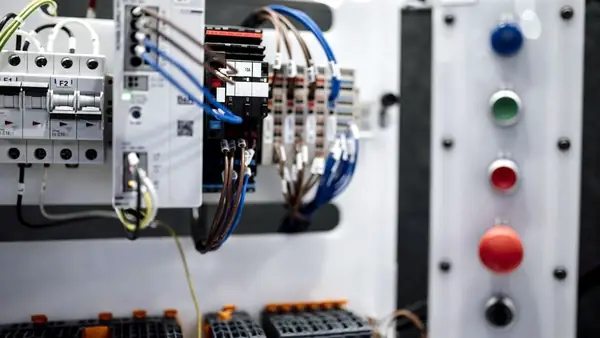
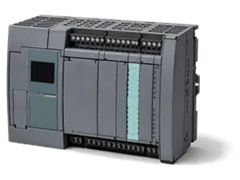
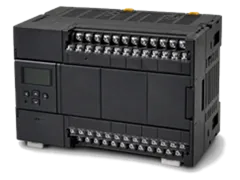
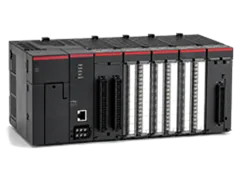
A programmable logic controller (PLC) system is important for the precise operation of machinery in manufacturing and industry. At VCOCNC, we give our customers access to a vast array of PLC systems from leading equipment manufacturers such as Siemens, Omron, Schneider, Mitsubishi and more. We provide a full 12-month warranty on all reconditioned, obsolete and new automation parts. So, when you need to, you can confidently source cost-effective PLC systems in just a few simple steps.
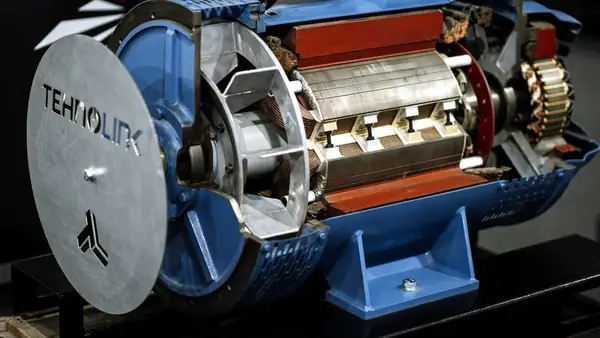
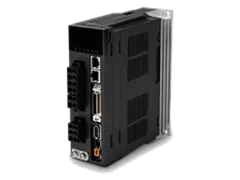
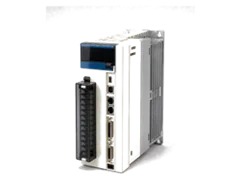
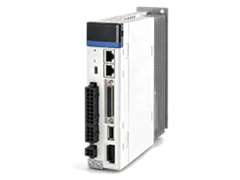
Servo drives provide a wide range of benefits to your production line including greater speed, improved positioning and more effective motion control. VCOCNC gives you access to an extensive stock list of servo drives from leading equipment manufacturers such as Siemens, Schneider, ABB, Omron and more. Source your new, reconditioned and obsolete drives and enjoy a 12-month return-to-base warranty on all parts for extra peace of mind.
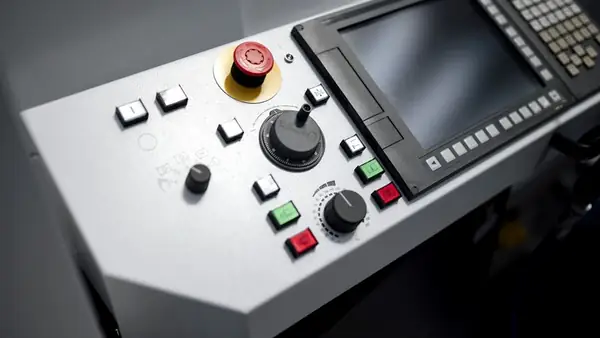
A human-machine interface (HMI) is a dashboard or interface that enables a user to connect to an industrial machine, device or system. VCOCNC gives you access to an extensive collection of HMI displays and panels from a range of equipment manufacturers such as Siemens, Omron, Yaskawa, FANUC and more. Source your new, reconditioned and obsolete HMIs and displays and enjoy a 12-month return-to-base warranty on all parts for that extra peace of mind.
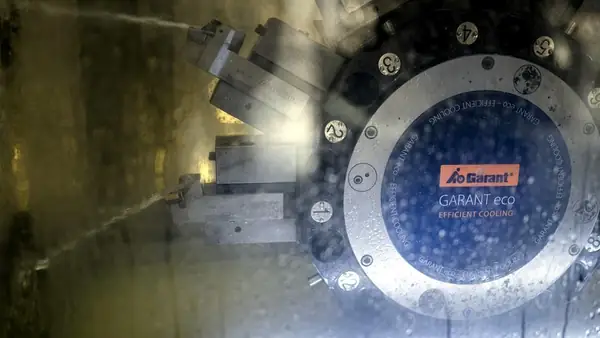
Computer numerical control (CNC) systems operate and manipulate machine tools to shape stock material into custom parts and design. At VCOCNC, we supply critical CNC systems from an array of manufacturers such as Siemens, FANUC, Control Techniques and more. We provide a full 12-month warranty on all reconditioned, obsolete and new automation parts, so that you can confidently source cost-effective CNC systems in just a few simple steps.
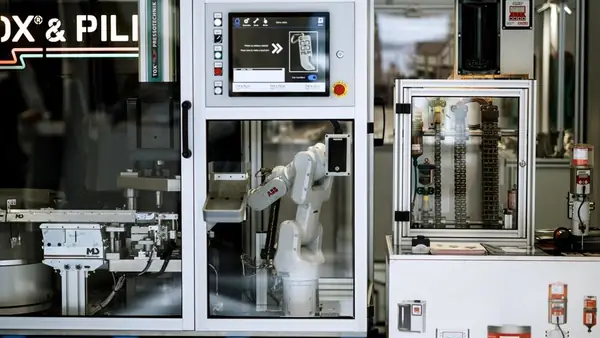
Industrial robots such as cobots and gantry robots, can be the perfect solution for tasks too complex for human operators. At VCOCNC, we supply customers with an array of industrial robots required to keep production up and running. We supply robots and robotic systems from leading equipment manufacturers such as Siemens, ABB and more. All of the units that we supply are fully tested and, for extra peace of mind, are sold as standard with a 12-month return-to-base warranty.
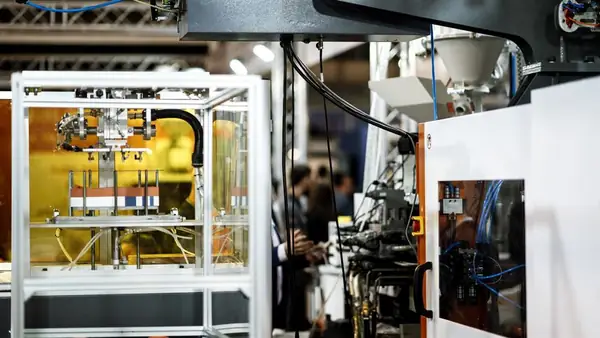
VCOCNC stocks and supplies an array of new, obsolete and reconditioned general automation parts. We give you access to thousands of critical automation spares from leading equipment manufacturers such as Siemens, ABB, Mitsubishi, Omron and more. All of the parts that we supply are fully tested and for extra peace of mind, all units are sold with a standard 12-month return-to-base warranty.
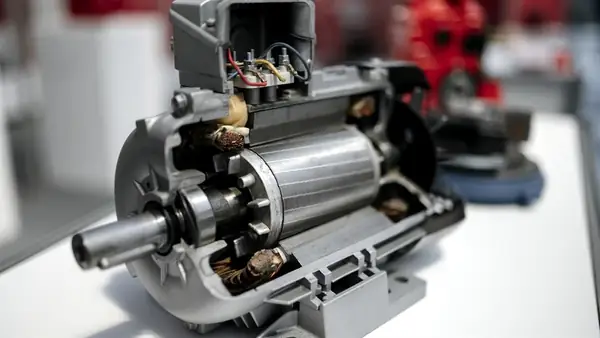
Encoders are electrical sensors which measure rotation by counting the number and timing of pulses generated by the encoder. At VCOCNC, we supply our customers with an extensive range of critical motors and encoders from leading equipment manufacturers such as Siemens, Schneider, Telemecanique, Lenze and more. Source your critical motors and encoders and enjoy a 12-month return-to-base warranty for that extra peace of mind.
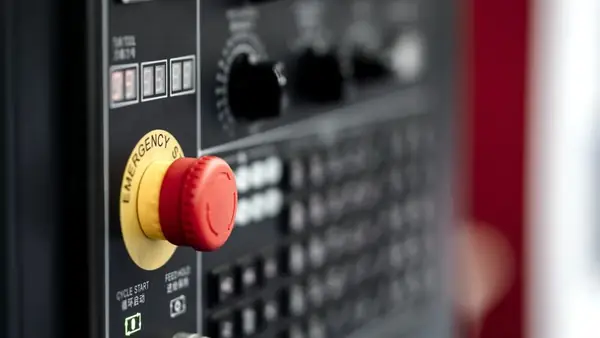
Safety automation systems and technology provide swift and safe procedures to an array of potentially dangerous situations in an industrial setting. VCOCNC offers thousands of safety automation components from leading equipment manufacturers like Siemens, Mitsubishi, Schneider and more. We provide a full 12-month warranty on all reconditioned, obsolete and new automation parts. So, when you need to, you can confidently source cost-effective safety automation equipment in just a few simple steps.
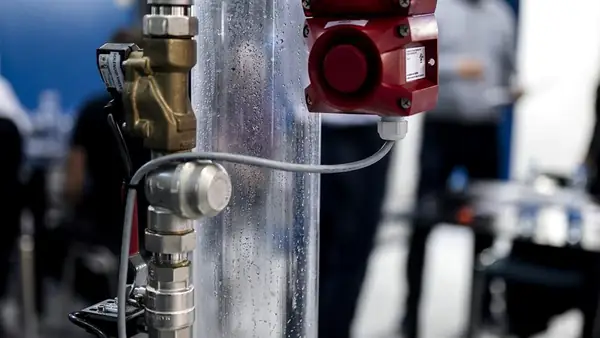
The objective of a process control component is to ensure a consistent, continuous and safe industrial process that can be monitored and adjusted to a desired output. VCOCNC stocks and supplies an extensive variety of process control units from leading manufacturers such as Siemens, Mitsubishi, Omron, Schneider and more. All of the units that we supply are fully tested and, for extra peace of mind, are sold as standard with a 12-month return-to-base warranty.
Brand names are used only to indicate the products we support and do not imply official authorization or partnership.
Browse or send part numbers for new, reconditioned, used, and obsolete industrial automation parts.
Share fault details, photos, and model numbers so we can help check repair and replacement options.
Get practical help narrowing down models, compatible replacements, and urgent sourcing directions.
We support secure packing, export handling, and international delivery for urgent automation spare parts needs.
20+ Years of Industry
Experience
Global Automation Parts
Support
Fast Quote Support
Worldwide Shipping Available